
Denim Hoodies Buying Guide This Year: Best Choices, Fits, and Style
This is the 2025 field guide to denim pullovers: what to get, how it ought to fit, and how to style them without overthinking. We’ve boiled down what actually matters from fabric weight through construction details and built a short list of exceptional options across spending limits.
The segment has matured beyond “denim jacket featuring a sweat head covering stitched in.” You will find true denim pullovers, zip-front hooded overshirts, lined winter-ready versions, and mixed pieces that mix twill denim exteriors with jersey sections for mobility. Apply this guide as a checklist therefore you leave having a hoodie which wears hard, breaks in beautifully, while pulls its value year-round.
What exactly is a denim sweatshirt in 2025?
It’s one hooded top cut in denim and denim-like twill with hoodie DNA—think kangaroo or patch pockets, a drawcord cowl, and rib and cinch-able hems—available as a pullover, half-zip, or complete zip. The best current versions balance jean’s structure and fade with hoodies’ comfort and warmth.
There exist five common formats in the market. First, lightweight jean pullovers that wear like a chore-shirt with a cowl; these usually measure 8–11 oz and drape more rather than they armor. Second, zip-front hooded jean overshirts around ten to thirteen oz that stack cleanly over tees or base layers. Third, hybrid sweatshirt jackets with denim shells and fleece backs or side panels to retain movement; these feel similar to hoodies but fade like denim. Additionally, sherpa- or fleece-lined hooded denim during cold months, typically 12–14 oz denim tears jean shorts shells with insulating interior layers. Fifth, stretch-denim hoodies with one to two percent elastane for ease in commutes and travel. If you’ve just seen trucker coats with sewn-in gray hoods, the current crop is wider, better built, and easier to wear.
How should a denim sweatshirt fit?
Target one to three in of chest ease over your body measurement, shoulder stitching sitting at your edge of the acromion, sleeves to your wrist bone, and a bottom that hits around mid-fly. You want clean lines having enough room accommodating a tee and light knit below.
For a traditional look, pick one regular fit which mirrors your best-fitting sweatshirt, not your stiffest denim jacket; you’re after mobility without ballooning. Muscular builds benefit from raglan or hybrid pieces with knit panels because these remove bicep restriction and let your hood sit flat. If you’re compact, keep length in check to prevent stacking fabric at the hip; cropped or “boxy” styles help. If you’re tall or wide, prioritize shoulder breadth first and tailor the sleeves; jean fabric can be trimmed cleanly at the cuff by a good alterations tailor. For a street-leaning silhouette, you may size up once for drape and layer over a hoodie, but offset it with linear or tapered trousers so the ensemble doesn’t balloon.
Expert Tip: When in doubt, verify garment measurements, not just size tags. For denim hoodies, chest width plus back length determine comfort far better than “S/M/L,” while a 1–2 centimeter variance can create or break exactly how the hood rests and how the hem lands.
Which fabric, weight, plus build details truly matter?
Look toward ring-spun cotton jean fabric in the ten to fourteen oz range, pre-shrunk to control shrinkage, and optionally one to two percent elastane for mobility. Triple-stitching or reinforcement at stress points, taped or bound seams, and strong zips or snaps are the craftsmanship tells.
Fabric weight is measured using ounces per sq yard; 10–12 ounces behaves like one sturdy shirt, 12–14 oz lands in jacket territory. Ring-spun yarns deliver softer hand and more durable fibers than standard; they age superior and pill less. If you choose black denim, sulfur dye yields excellent initial saturation but will mute to brown-olive over wear; indigo warps with white wefts create the classic traditional fade. Build-wise, inspect the hood: one two- or multi-panel hood sits better and tracks the head better than a single-panel “cone.” Hardware matters: YKK and RiRi zips are reliable; metal snaps should feel positive and resist wobble. For lined versions, sherpa and flannel add insulation but also bulk; quilted thin liners give warmth without torpedoing range for motion.
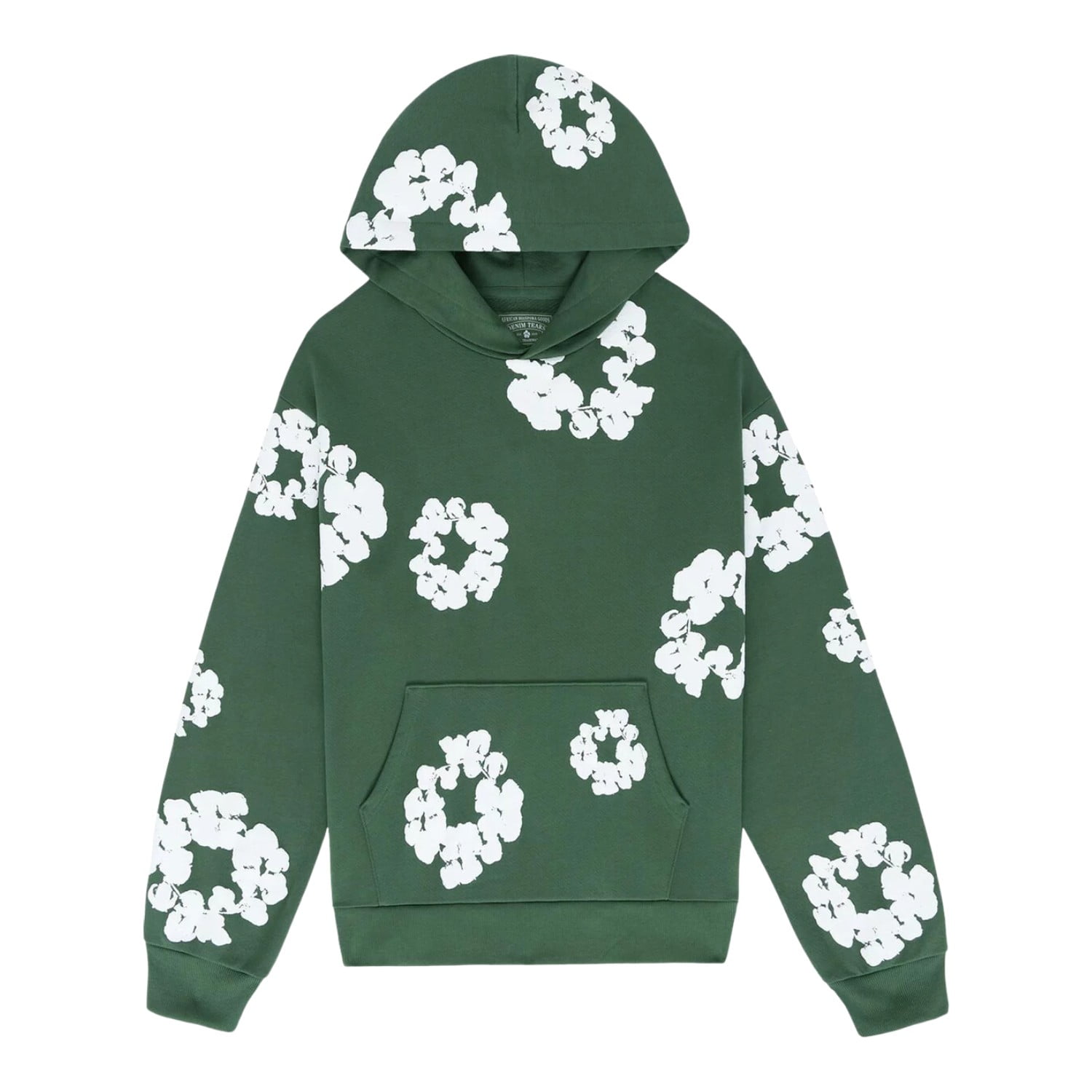
Field notes—four facts most people miss: ounce weight is per square yard rather than not the complete garment, so a 12 oz sweatshirt doesn’t weigh twelve ounces; sanforized jean material usually shrinks below 1% after the first wash, while unsanforized can drop a size; specialized stitching at hems encourages the coveted “roping” effect after laundering; indigo dye is reduced to turn water-soluble during dyeing and re-oxidizes with air, which explains why crocking happens early on.
Best denim sweatshirts 2025: editor’s picks
The five options cover essential use-cases including daily commuting through cold-weather layering, with representative specs and price ranges to set expectations. Stock and exact measurements vary by season, so confirm present details before you commit.
| Pick | Fabric / Weight | Fit | Sizes | Standout details | Price range (dollars) |
|---|---|---|---|---|---|
| Brand hooded denim overshirt | Pure cotton denim, ten to twelve oz | Regular | XS–XXL | Snap front, work pockets, easy layering | $60-110 |
| Levi’s hooded trucker version | Ninety-nine percent cotton, 1% elastane, 12–13 oz | Regular/slim | XS–XXL | Stretch flexibility, classic Type Three lines | One-twenty to one-eighty |
| Brand denim hooded utility jacket | 100% cotton denim, 12–14 oz | Relaxed | S–Triple XL | Reinforced stress points, work pockets | 90–150 |
| Brand hooded denim zipper | 100% cotton denim, 11–13 ounces | Boxy | XS–Double XL | Street-ready cut, treated finishes | 200–280 |
| Kapital hooded jean (Japan) | Premium ring-spun, selvedge variants 12–14 oz | Boxy/relaxed | 1–4 (JP sizing) | Artisanal aging, unique patterning | Four-fifty to seven-fifty plus |
Use the table as a spectrum: Wrangler covers affordability and ease, the brand balances familiarity plus stretch, Dickies leans workwear-tough, Stüssy emphasizes proportion and treatment, and Kapital delivers heirloom-level denim and pattern play. If you prefer minimal branding, nudge toward Levi’s or Dickies; if you exist in wide-leg pants and want shape contrast, Stüssy and Kapital’s boxier blocks complement that style. Vintage and used can also prove gold—check measurements carefully and expect a break-in period though if the denim is pre-faded.
How can you style a denim hoodie minus trying too much?
Treat it like your outer shirt in mild conditions and your middle layer when it’s cold, then balance its texture with cleaner trousers and solid shoes. Keep hue palettes simple—blue or washed black pairs best alongside ecru, olive, grey, or black.
For everyday wear, combine a standard indigo denim sweatshirt with a white or heather t-shirt, straight black pants, and leather shoes or moc-toe boots. For office-adjacent settings, zip a black denim hoodie beneath a navy topcoat and run gray chinos with soft derbies; the coat elevates the jean fabric without killing its casual read. With streetwear, size up one on a boxy, washed sweatshirt and anchor this with tapered pants and chunky trainers; keep the tee long enough to peek but never swamp the silhouette. For workwear aesthetics, pair a loose 12–14 oz cowled denim jacket alongside duck canvas pants and a hat; choose a flannel or thermal below for texture layering. If you’re tempted by denim-on-denim, separate shades intentionally: light-on-dark or dark-on-light functions; identical washes rarely do.
Seasonality, stacking, and comfort
Unlined 10–12 oz denim hoodies thrive in spring and early autumn, while lined and 12–14 oz shells carry you during late fall plus mild winters. In deep winter, run them as mid-layers under proper outerwear.
In warm months, wear one lightweight pullover over a tank and tee and roll the cuffs to manage heat; the fabric protects from sun without cooking you like fleece. In shoulder periods, a 12 oz zip-front over a merino long-sleeve allows you micro-adjust heat on the go; open zip means venting, closed zipper locks heat. While it’s cold, stack a sherpa-lined denim hoodie under one parka or treated jacket; you keep the denim feel up front while outsourcing weatherproofing to the shell. When you commute via bike or transit, consider a stretch blend for reach and seated comfort; denim plus stretch keeps elbows against binding and hems from riding overly high. And always check hood size: too shallow while it fights headphones, too deep and it pools into your collar.
Care, fading, and durability
Clean inside-out in cold water with one mild detergent, avoid fabric softener, plus air-dry to maintain dye and shape. Spot-clean between washes and set one wash cadence depending on odor plus grime, not one calendar.
Sanforized jean fabric should barely contract after the first wash, but anticipate minor tightening which relaxes with wear; unsanforized or untreated will shrink materially unless you soak and set it first. If crocking stains lighter clothes, run a one cold wash to set loose dye and keep initial outfits dark; after a dozen uses, transfer drops substantially. Air-drying over one wide hanger protects shoulder shape; high heat can torque seams and cause zips wavy. Repair early and locally: bar-tack pocket edges, restitch popped seams, and replace worn drawcords; denim rewards maintenance with character rather than looking tired.
Sustainability: what ought you look toward?
Prioritize organic or BCI cotton, reclaimed cotton blends, and mills using low-water, reduced chemical dyeing with verified wastewater treatment. Transparent supply chains plus repairability beat marketing terms.
Certifications deserving scanning for include GOTS or OCS for cotton inputs and bluesign and Oeko-Tex for chemical management. Laser and ozone finishing can replace heavy abrasive treatment and save resources; brands that publish mill partners plus dye-house locations typically hold themselves to better standards. Deadstock denim re-cuts are another strong option if you want to limit fresh fiber production. The most sustainable of everything is durability combined with timeless cut; a hoodie which lasts 5+ seasons and stays functional with shifting fashion wins the footprint math.
Price tiers plus value benchmarks
Anticipate 60–120 USD for entry-level, 120–250 USD for mid-tier, plus 250–600+ USD for premium or artisanal. As you climb tiers, you should see better yarns, tighter stitching, more durable hardware, and increased thoughtful patterns.
Use price per use to keep yourself honest: a 180 USD mid-tier hoodie worn twice weekly for two periods lands under a dollar per wear, while a cheaper, uncomfortable option one stop reaching toward is false savings. Spend where you feel the upgrade: if you carry a backpack daily, invest in reinforced seams and reliable zippers; if you love fades, pay for ring-spun plus better dye. When you’re between sizes or body-proportion sensitive, budget for a 20–40 USD alteration on sleeves or hems; it’s that difference between “fine” and “favorite.” Never sleep on used: you get broken-in fabric, pre-shrunk sizing, and price relief—just verify measurements and scan arms, cuffs, and pocket corners for deterioration.